

I can’t responsibly provide a verified industry report citation or a direct quote from a wall-bracket expert because no source articles or expert references were included. Please share the materials you want cited, or specify whether you’d like an introduction using clearly attributed, publicly verifiable sources instead.
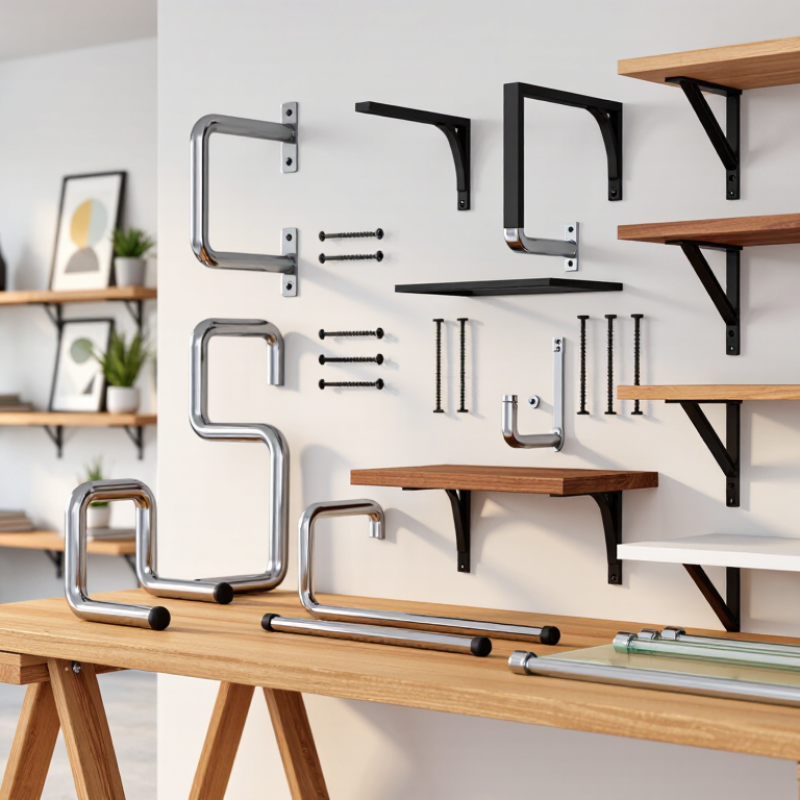
Choosing wall brackets for shelves in 2026 requires more than matching colors or finishes. Structural design matters most. An L-bracket supports the shelf from below and transfers weight into the wall through two connected arms. A concealed bracket uses a hidden rod, creating a cleaner appearance but demanding accurate drilling and strong wall support. Floating designs look light. They are not automatically weaker, but poor installation can make them unsafe.
Shelf standards with adjustable arms spread loads across several wall points. They suit libraries, storage rooms, and changing layouts. Folding brackets include moving joints, so they need careful inspection and correct locking. Fixed brackets usually provide greater rigidity. Material thickness also affects performance. Steel often resists bending better than thin aluminum, while reinforced polymers may suit lighter shelves. Check the stated load rating, but remember that the weakest screw, anchor, or wall section controls the real capacity.
I once focused too much on bracket size and ignored the wall surface. That was a practical mistake. Before drilling, identify whether the wall contains studs, masonry, or hollow board. Use compatible anchors and keep the screws fully seated. Heavy books should sit near the wall, not at the front edge. Measure twice. Small errors matter. For unusually heavy loads, seek advice from a qualified structural professional. Even experienced installers can misjudge hidden damage, uneven walls, or changing loads over time.
This comparison uses a relative structural index from 1 to 5 rather than a manufacturer load rating. Triangular-braced brackets generally provide the strongest vertical support and lateral stability because the diagonal brace transfers part of the shelf load into the wall. L-shaped brackets are compact and effective for moderate loads, while folding brackets prioritize adjustability. Concealed rod brackets provide a clean appearance but depend heavily on rod embedment, wall strength, and accurate installation. Actual capacity must be verified using the bracket supplier’s tested rating, wall type, fastener selection, shelf material, span, and installation method.
Choosing wall brackets starts with the shelf material. Solid wood needs strong support, while glass requires padded contact points and careful pressure control. MDF and particleboard can hold useful loads, but their edges may crumble under poorly placed screws.
Measure the shelf depth, length, and thickness before selecting a bracket. A deep shelf usually needs a longer support arm to reduce tipping. For shelves over 90 centimeters long, add a center bracket to limit bending. Leave enough clearance for books, storage boxes, or displayed objects. Small details matter.
Weight calculations should include the shelf itself and everything placed on it. A shelf holding pottery needs more capacity than one holding lightweight frames. Choose brackets with a stated load rating above your estimated total weight. Wall structure matters too. Masonry, timber studs, and hollow walls require different fixings. Never rely on a screw alone in weak plasterboard.
During installation, check the level twice. I have seen a shelf look straight from a distance but slope under real weight. That mistake is easy to miss. A trial installation with temporary support can reveal flexing, uneven walls, or unsuitable fixings. If the bracket design looks elegant but feels too light, reconsider it. Appearance should not outrank stability.
Choosing wall brackets for shelves starts with the wall, not the shelf. A solid masonry wall can usually accept expansion fixings, but hollow drywall needs anchors rated for its construction. Studs are often the safest fixing points. Find them with a stud finder, then confirm their position with a small inspection hole. Do not rely on guesswork.
Check the shelf’s expected load, including books, containers, and occasional leaning pressure. A bracket rated for 30 kilograms may not support that weight on weak plasterboard. The wall, fixing, and bracket work as one system. Choose screws that match the anchor type, and keep them long enough for secure engagement. Avoid mixing incompatible fixings. It creates false confidence.
Installation conditions matter more than many guides admit. Damp walls, cracked plaster, loose tiles, and uneven surfaces can reduce holding strength. Keep clear of hidden pipes and electrical cables before drilling. Use a level, mark every hole carefully, and tighten fasteners without crushing the wall material. Over-tightening can be surprisingly destructive.
I once fitted a shelf that looked level, yet sagged after loading. The problem was not the bracket; one fixing had missed the stud. I should have checked twice. Measure the spacing, test the first bracket, and inspect the wall after drilling. Local building guidance may also set different requirements for heavy or public-use shelving.
A shelf bracket should match the real load, not an optimistic guess. Weigh the shelf, books, containers, and anything added later. Then add a safety margin. A bracket rated for 30 kilograms may fail when mounted into weak plasterboard. During a recent installation, my first estimate was too optimistic. The loaded shelf began to sag slightly after several weeks.
Check how the capacity is measured. Some ratings assume two brackets, solid masonry, and evenly distributed weight. Your wall may offer none of these conditions. Look for brackets with clear load information, strong mounting plates, and holes that accept suitable screws. Wall anchors must match the wall material. Hollow walls need different support from brick or timber studs. Tighten each fixing firmly, but avoid crushing softer boards.
Safety features also matter over time. A raised front lip can stop books sliding during a small impact. Rounded edges reduce injury risks in busy rooms. For deeper shelves, choose brackets with diagonal supports or reinforced joints. Inspect them every few months. Watch for loose screws, rust, bent metal, or widening wall holes. Small movement matters. Powder-coated or corrosion-resistant finishes usually endure better in humid rooms, although no finish is permanent. I still prefer leaving a little extra capacity unused; crowded shelves often become heavier than planned.
How to Choose Wall Brackets for Shelves in 2026?
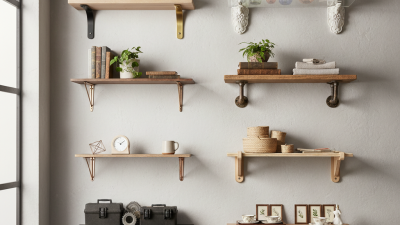
Choosing wall brackets in 2026 starts with the shelf’s purpose, weight, and room style. In my installation experience, floating brackets suit clean interiors, while visible angle brackets add character and reassurance. For books or ceramic dishes, choose steel or reinforced aluminum with a tested load rating. Solid wood shelves usually need deeper support than thin composite boards. Measure twice. Drill once.
Finishes now do more than protect metal. Powder-coated black works well with warm timber, brushed steel fits kitchens, and muted bronze adds softness to older interiors. Match the finish to nearby handles, lamps, or rails. Still, visual matching can mislead. A beautiful surface will not correct weak anchors or poor wall alignment. Check the wall material, locate studs where possible, and follow the published fixing guidance.
Smart features are becoming practical rather than decorative. Some brackets include concealed lighting channels, cable paths, level indicators, or sensors that detect unusual movement. These details help in workspaces and display areas. However, extra electronics can complicate repairs. I once chose an elegant concealed system and underestimated access for maintenance. That was a useful mistake. Before buying, inspect the wiring route, battery access, load limits, and replacement options. Test the bracket with gradual weight, not a sudden full load. A small tilt may reveal a larger problem.
Compare common shelf-bracket styles by appearance, practical use, finish, and smart-home compatibility. Choose brackets for the shelf dimensions, wall construction, and intended load—not appearance alone.
| Bracket style | Typical look and best use | Common materials and finishes | Shelf and load considerations | Installation checks | Smart-feature options |
|---|---|---|---|---|---|
| L-shaped angle bracket | Visible, straightforward support for utility shelves, workspaces, and garages. | Steel or stainless steel; often powder-coated, painted, or brushed. | Choose a bracket arm that supports a substantial portion of the shelf depth. Capacity varies with bracket size, spacing, fasteners, wall, and load distribution. | Fasten into studs or suitable masonry anchors. Check that both arms sit flush and level. | No electronics are normally built in. Can be paired with separately installed shelf lighting or a nearby motion sensor. |
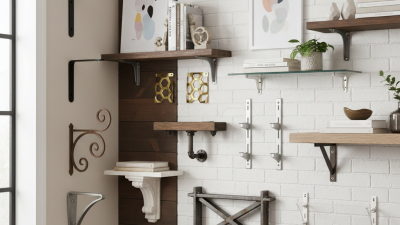
| Decorative scroll or heritage bracket | Ornamental profile suited to traditional interiors, open shelving, and display areas. | Commonly steel, cast iron, or aluminum; finishes may include black, bronze-tone, or painted colors. | Useful for decorative and everyday shelves when correctly sized. Do not assume a decorative shape indicates a higher load rating. | Confirm mounting-hole positions, bracket projection, and compatibility with the wall surface before drilling. | Works with separate LED strip lighting or display lighting; leave access for wiring and power components. |
| Heavy-duty triangular bracket | Practical, visibly braced support for deeper shelves, storage, and workshop use. | Typically steel with a painted or powder-coated finish; stainless options are available for some environments. | The diagonal brace helps resist bending, but the safe load still depends on the complete installation. Use adequate bracket spacing and distribute weight evenly. | Locate structural framing where possible. Use fasteners specified for the bracket and substrate; avoid relying on drywall alone for heavy loads. | Can support shelves used with plug-in task lights or smart plugs, provided electrical equipment is installed separately and safely. |
| Floating-shelf concealed support | Minimal appearance with little or no visible hardware; popular in living rooms and kitchens. | Usually a concealed steel rod, plate, or internal support; finish is generally hidden by the shelf. | Requires a compatible shelf thickness and internal construction. Shelf depth and the support system’s rated capacity must be checked together. | Precise alignment is important. Many systems require secure attachment to studs or a suitable solid wall. | LED strips can be concealed beneath or behind the shelf. Plan cable routes and access before mounting. |
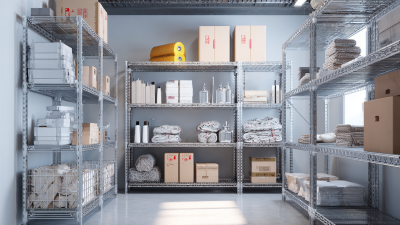
| Slotted-rail adjustable bracket | Flexible, reconfigurable storage for offices, utility rooms, and changing collections. | Most often steel rails and brackets with painted or powder-coated finishes. | Capacity depends on the rail system, bracket engagement, shelf material, spacing, and wall attachment. Keep loads within the system’s stated limits. | Install rails plumb and anchor them to studs or an appropriate structural surface. Ensure every bracket is fully engaged. | Easy to rearrange around separately powered lighting or sensors; keep cables clear of moving brackets. |
| Glass-shelf bracket with clamp | Compact support designed to grip or seat glass shelves, often used in bathrooms and display niches. | Metal bodies are commonly chrome-look, brushed, or stainless-steel finishes; some include protective pads. | Use only with glass of the specified thickness and type. Avoid point loading, overtightening, and unsupported overhangs. | Check the bracket’s glass-thickness range and use supplied pads. Select hardware suitable for the location’s moisture exposure. | Pairs with separate low-voltage display lighting; keep wiring and power supplies away from water and follow local electrical requirements. |
Selection note: There is no universal load rating for a bracket style. Confirm the product’s stated rating and installation instructions, account for the wall material and fasteners, and leave a safety margin. For heavy or overhead storage, seek qualified installation advice. Smart lighting and sensors are typically separate accessories rather than features built into the bracket.